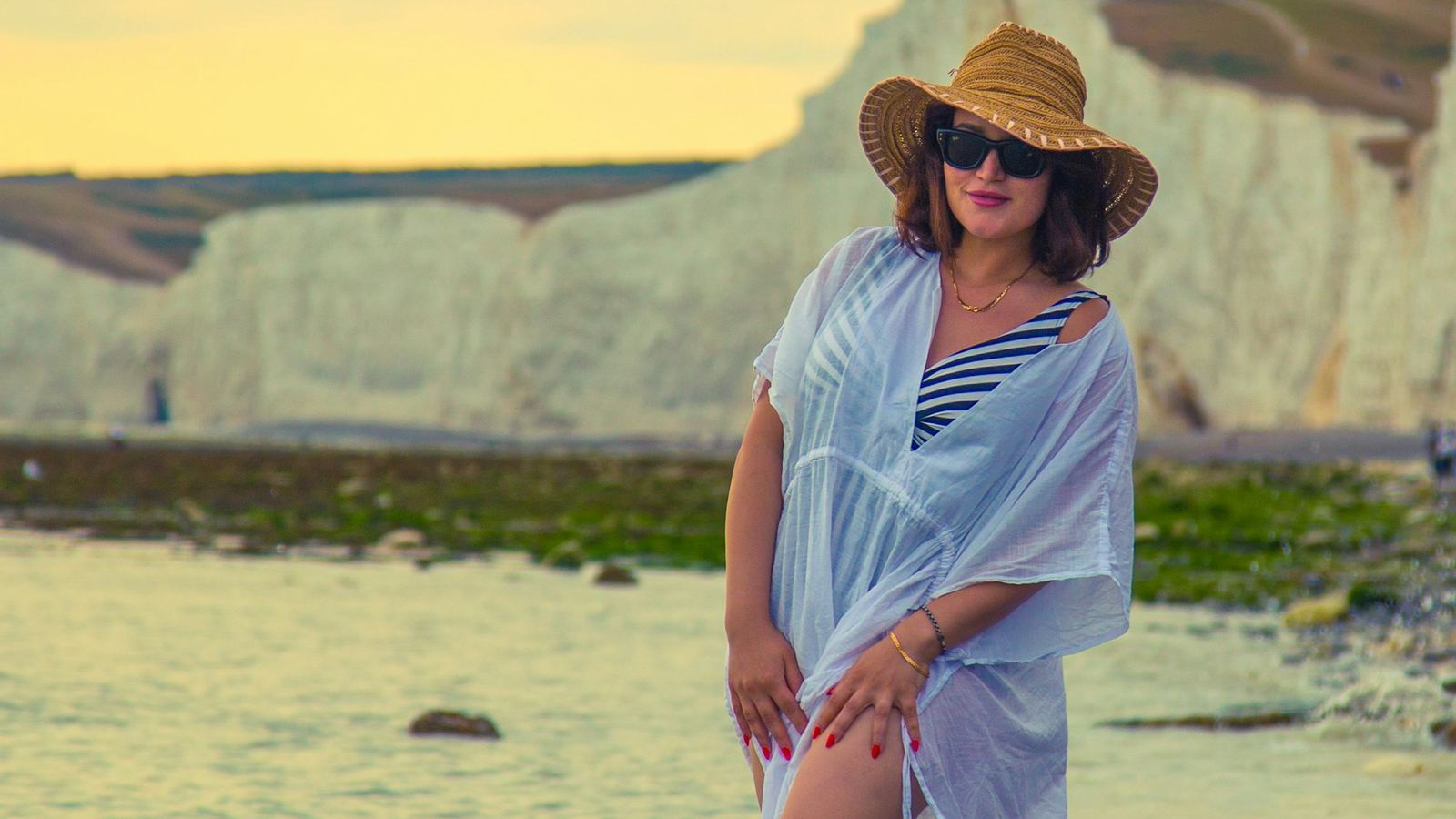

Kenya sits on the equator. That means the sun is close to directly overhead in the middle of the day for most of the year — a very different situation from the low-angle sun most hat advice is written for. It changes what you should look for in a hat.
Overhead sun means the crown matters
When the sun is at a low angle, a wide brim does the work. When it's directly overhead, the top of the hat is taking most of the exposure, and a loose or open weave lets a surprising amount through.
Hold a hat up to a bright light and look through the crown. If you can see clear pinpricks of light, that light is reaching your scalp.
Brim width, and what it actually covers
Rough guide for overhead sun:
- 5cm brim — covers the scalp and a little of the forehead. Style, not protection.
- 7–8cm brim — the standard bucket hat. Covers the face and most of the ears.
- 10cm+ — covers face, ears and the back of the neck. This is the one that prevents the burn people actually get.
The back of the neck and the tops of the ears are where most sun damage on the head happens, precisely because they're the spots a small brim misses.
Fabric beats shape
A tightly woven cotton twill blocks far more UV than a loose straw of the same brim width. If a hat is going to be your main sun protection rather than an accessory, choose the denser fabric.
Colour matters too, in the opposite direction to what most people assume: darker fabrics absorb more UV, meaning less of it reaches your skin. A dark hat is hotter to wear but protects better.
The packing question
Bucket hats have one enormous practical advantage over structured straw hats: they crush. You can fold one into a beach bag, sit on it, and it recovers. A structured wide-brim hat cannot survive the same treatment, which is why it usually gets carried by hand all day.
If you're travelling, this matters more than any other feature.
What to look for
- A chin cord if you'll be on a boat or a windy beach — the single most common way hats are lost.
- A reversible design gets you two hats in one bag.
- Ventilation eyelets on the crown, which make an hour in direct sun considerably more bearable.
A hat you leave behind because it's annoying to carry protects nobody. Packability is a protection feature.
See our bucket hats and beach hats.