
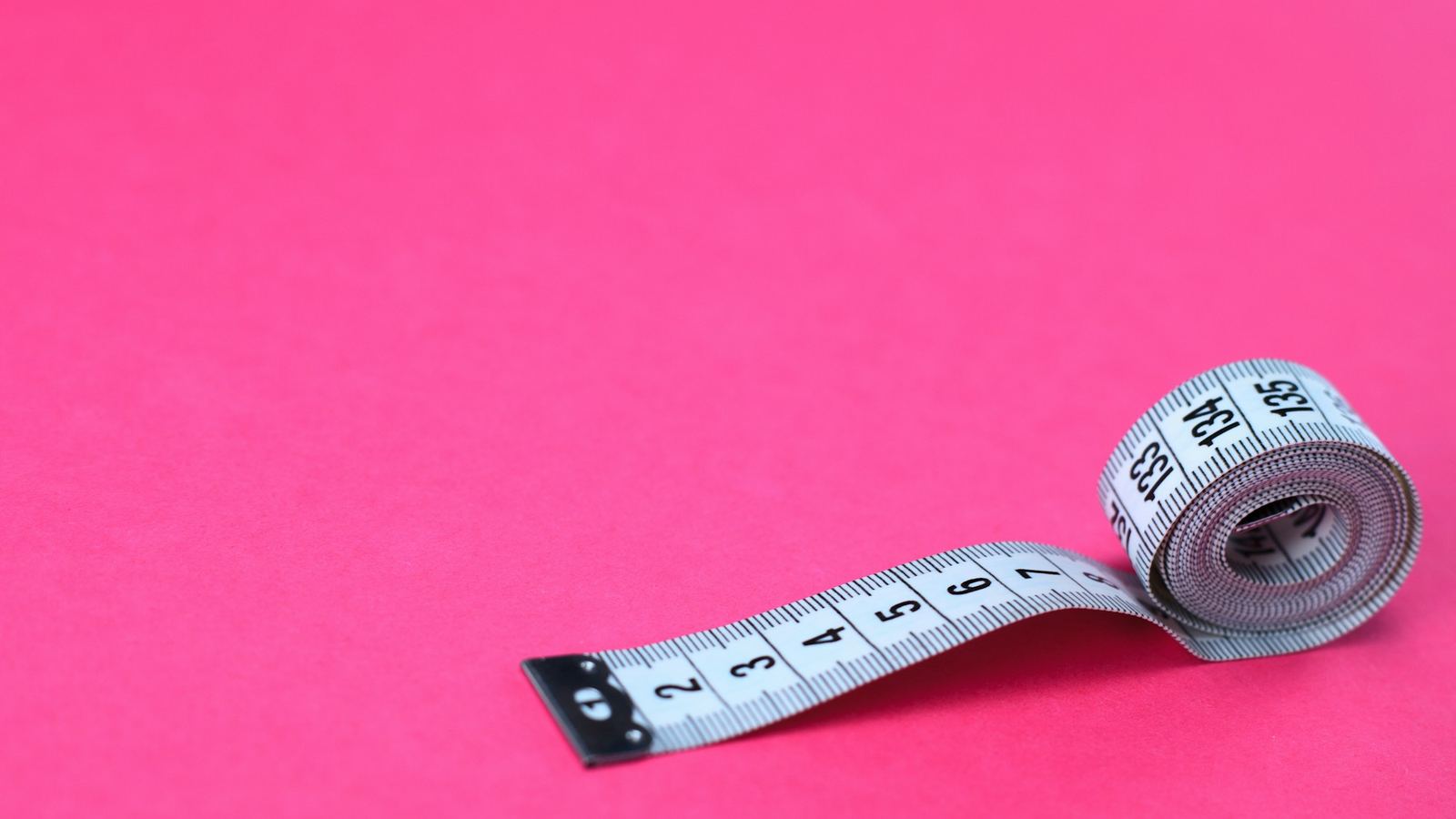
The number one reason people hesitate to buy swimwear online is the fear of getting the size wrong. It's a fair worry: swimwear sizing varies far more between brands than everyday clothing does, and a suit that's even slightly off is uncomfortable in a way a loose T-shirt isn't.
The fix is simple. Stop shopping by the size you usually wear and start shopping by your measurements.
Why your dress size doesn't work for swimwear
- Swimwear is cut to stretch. A size 12 dress and a size 12 swimsuit are made with completely different amounts of ease.
- Brands size differently. UK, EU, US and Asian sizing all appear on the Kenyan market — often unlabelled.
- "Free size" isn't a size. It usually means "fits a small range of bodies well, and everyone else badly".
- Top and bottom are rarely the same. Most women are a different size on top than on the bottom.
Step 1: Take four measurements
Use a soft tailor's tape, measure over bare skin or a thin unpadded bra, and keep the tape level and snug — not tight.
- Bust: around the fullest part of your chest, tape straight across your back.
- Underbust: directly under your bust, where a bra band sits.
- Waist: the narrowest part of your torso, usually just above your belly button.
- Hips: the fullest part of your hips and bottom, with your feet together.
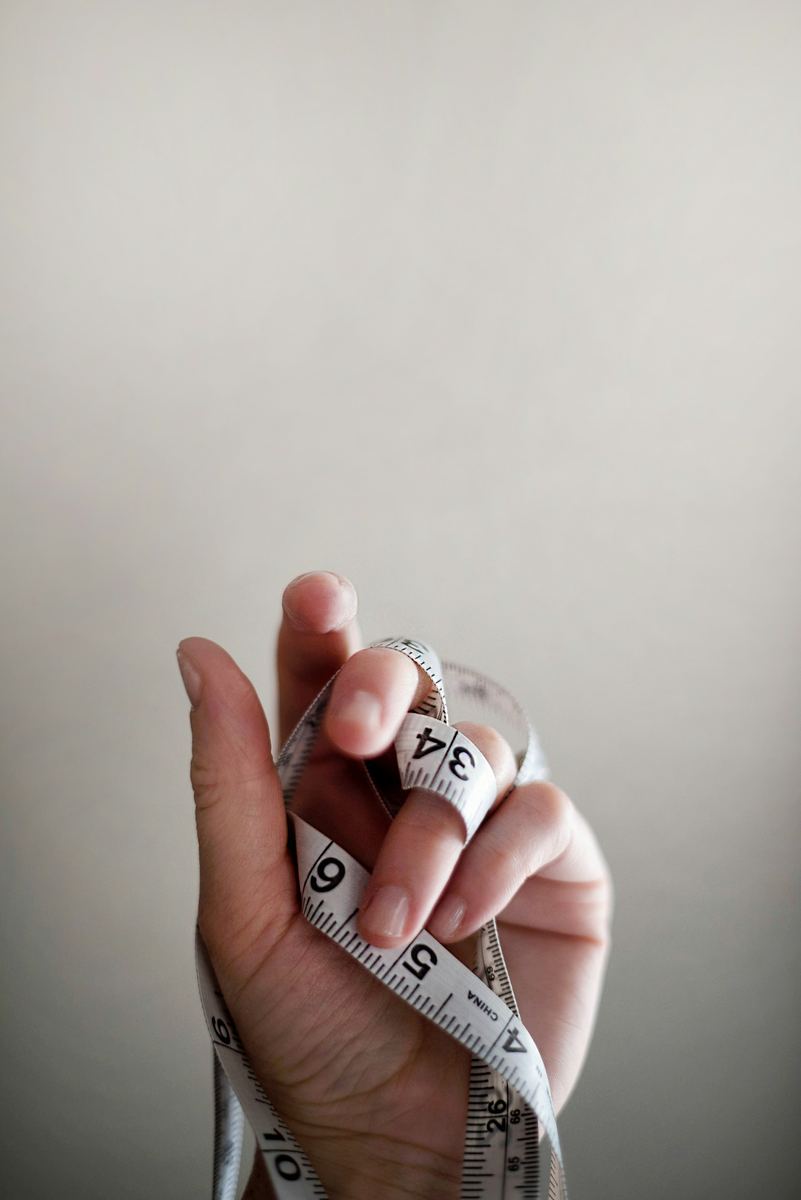
For one-pieces, add a fifth measurement — the torso loop: from the top of one shoulder, down between your legs, and back up to the same shoulder. This is what decides whether a one-piece pulls at the shoulders.
Write them down in centimetres. Take each one twice.
Step 2: Read the size chart, not the label
Compare your numbers to the seller's size chart for that specific product:
- Tops: go by bust and underbust.
- Bottoms: go by hips first, then waist.
- One-pieces: go by the largest of bust, waist or hips — then check the torso length.
If there's no size chart, ask for one, or ask for the flat measurements of the actual garment.
Step 3: What to do if you're between sizes
- Bottoms: size up. Swimwear gets slightly looser wet, but a bottom that digs in dry still digs in wet.
- Tops with ties or adjustable straps: size down for a more secure fit.
- Structured or underwired tops: go by underbust, and size up if your bust measurement puts you in the larger size.
- One-pieces: size up if your torso is long.
Step 4: Ask the seller these questions
A good online seller will happily answer before you pay:
- Does this style run small, large or true to size?
- Can I buy the top and bottom in different sizes?
- Is the front lined?
- Can you send a photo or video of the actual item?
- What happens if it doesn't fit — can I exchange it?
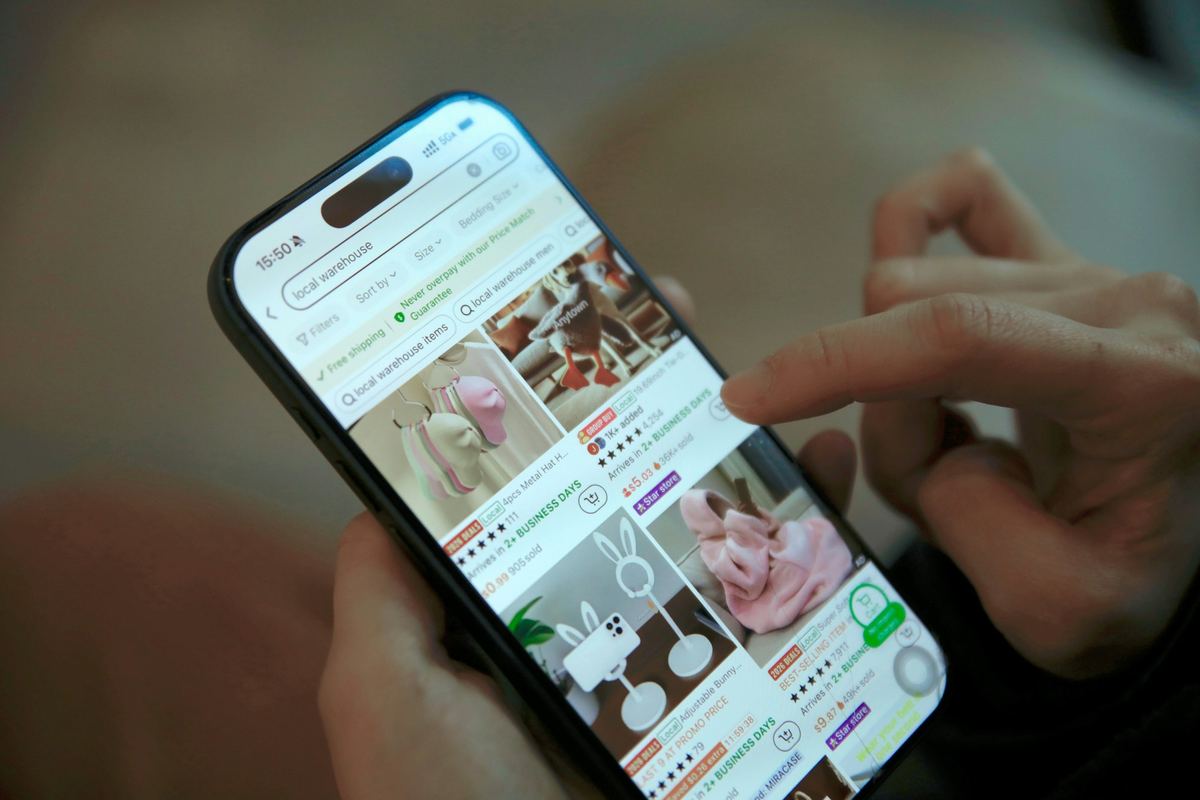
At Bikini World, the fastest route is WhatsApp: send us a screenshot of the style and your four measurements, and we'll tell you what size to order — or suggest a cut that'll fit better.
Step 5: Check the fit when it arrives
Try the suit on as soon as it arrives, with the tags on, over underwear.
Signs it's too small:
- Elastic digging in at the hips or under the arms.
- Straps leaving red marks within minutes.
- The bottom riding up at the back.
Signs it's too big:
- Gaping at the sides of the cups or the back of the bottoms.
- Fabric wrinkling or bagging at the seat.
- Straps slipping even at their shortest setting.
Then do the movement test: arms overhead, sit down, bend forward, big step. If it passes all four, it'll pass at the beach.
Kenyan size guide at a glance
Most swimwear sold in Kenya follows UK-style sizing. As a rough guide:
- Size 6–8: extra small to small
- Size 10–12: medium
- Size 14–16: large
- Size 18–20: extra large
- Size 22–24: 2XL–3XL
Always confirm against the product's own chart. We stock sizes 6 to 24.
Want to understand which cuts suit you before choosing a size? Read how to choose the perfect bikini for your body type. Or browse swimwear and message us your measurements.