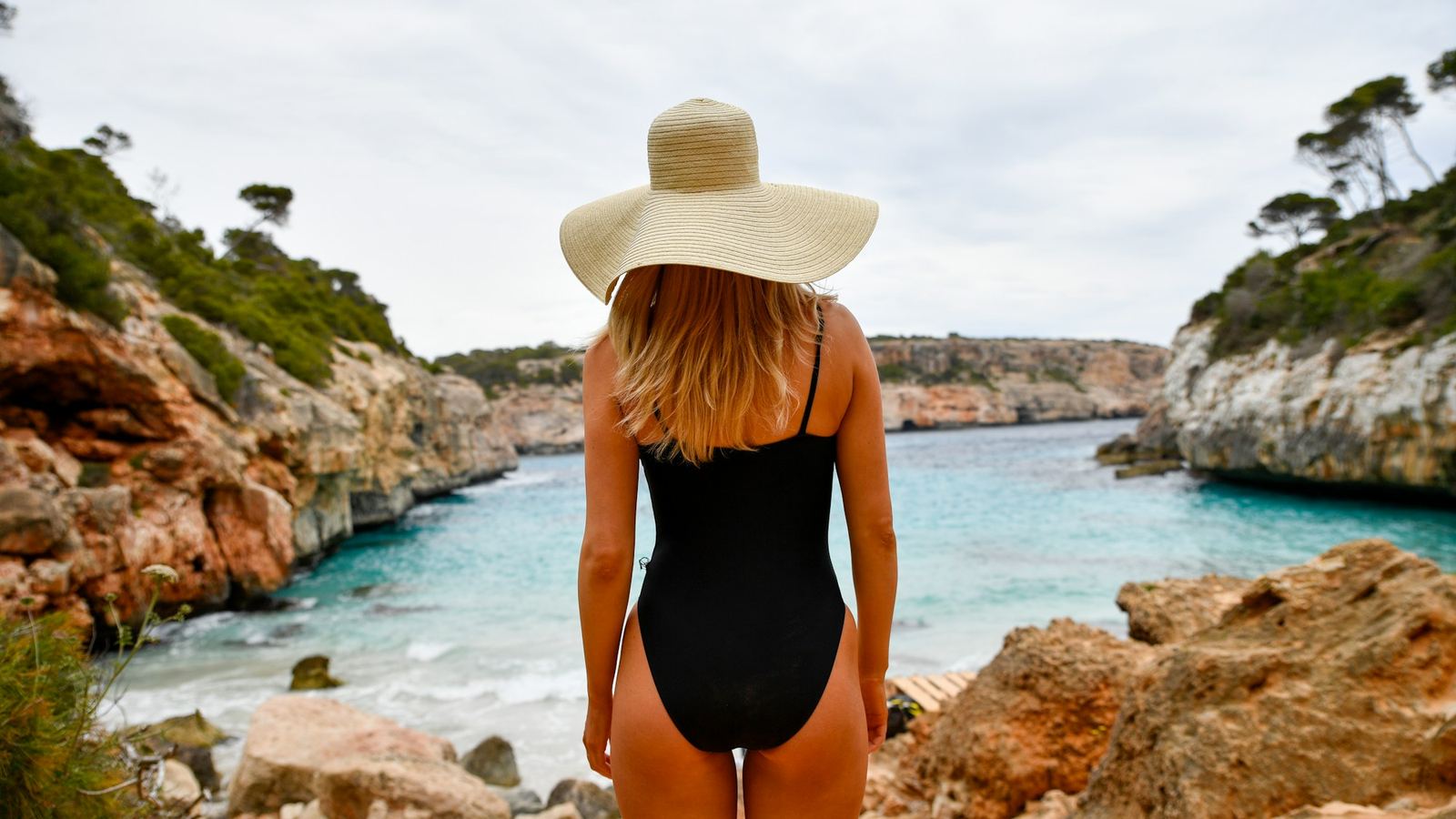

There is no such thing as a "bikini body" — there's just a body, and a bikini that either fits it or doesn't. Most of the discomfort people feel in swimwear comes from the wrong cut or the wrong size, not from their shape.
This guide skips the old rules about hiding things. Instead it's about what each cut actually does, so you can pick the one that feels good and stays put.
Start with two numbers: top size and bottom size
Before thinking about style, accept this: your top and bottom are probably different sizes. That's normal. It's also why buying bikinis as separates, or from a shop that will split a set, fixes more fit problems than any styling trick.
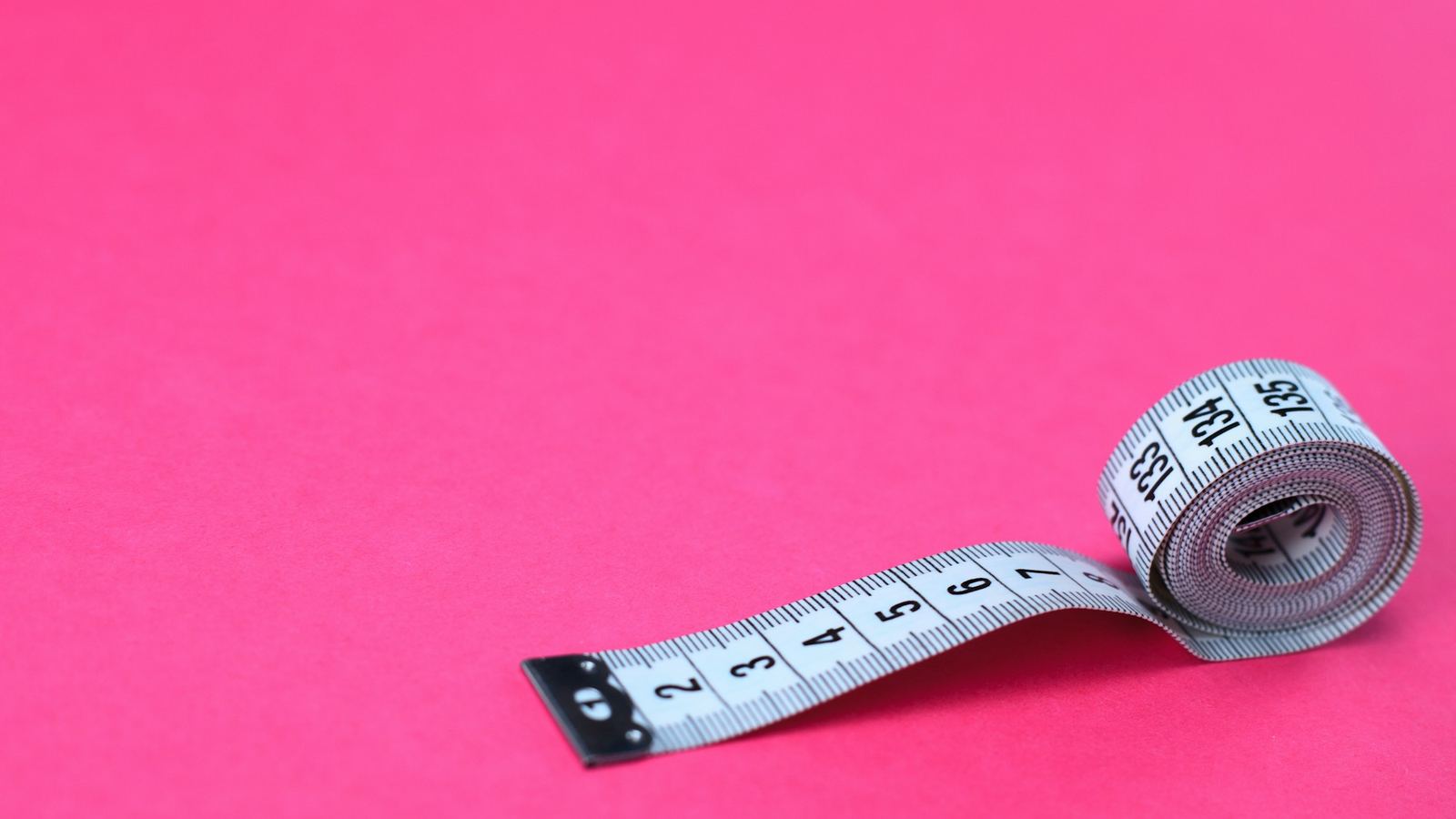
Measure over bare skin with a soft tape:
- Bust — around the fullest part, tape level across your back.
- Underbust — directly beneath the bust, snug.
- Waist — the narrowest point, usually just above the navel.
- Hips — the fullest part of your hips and bottom, feet together.
Your bust and underbust decide the top. Your waist and hips decide the bottoms. For a full walkthrough, see our guide to choosing the right swimsuit size when shopping online.
Choosing a bikini top
Fuller bust
Support comes from structure, not from going smaller.
- Underwire or moulded cups hold shape and stop spillage.
- Wider straps spread the weight — thin string straps dig in within an hour.
- Halter necks give lift, but if you're a D cup or above, look for a halter with a back clasp too, so your neck isn't doing all the work.
- Avoid unlined triangle tops, which offer almost no support and shift the moment you swim.
Smaller bust
You have the most freedom here.
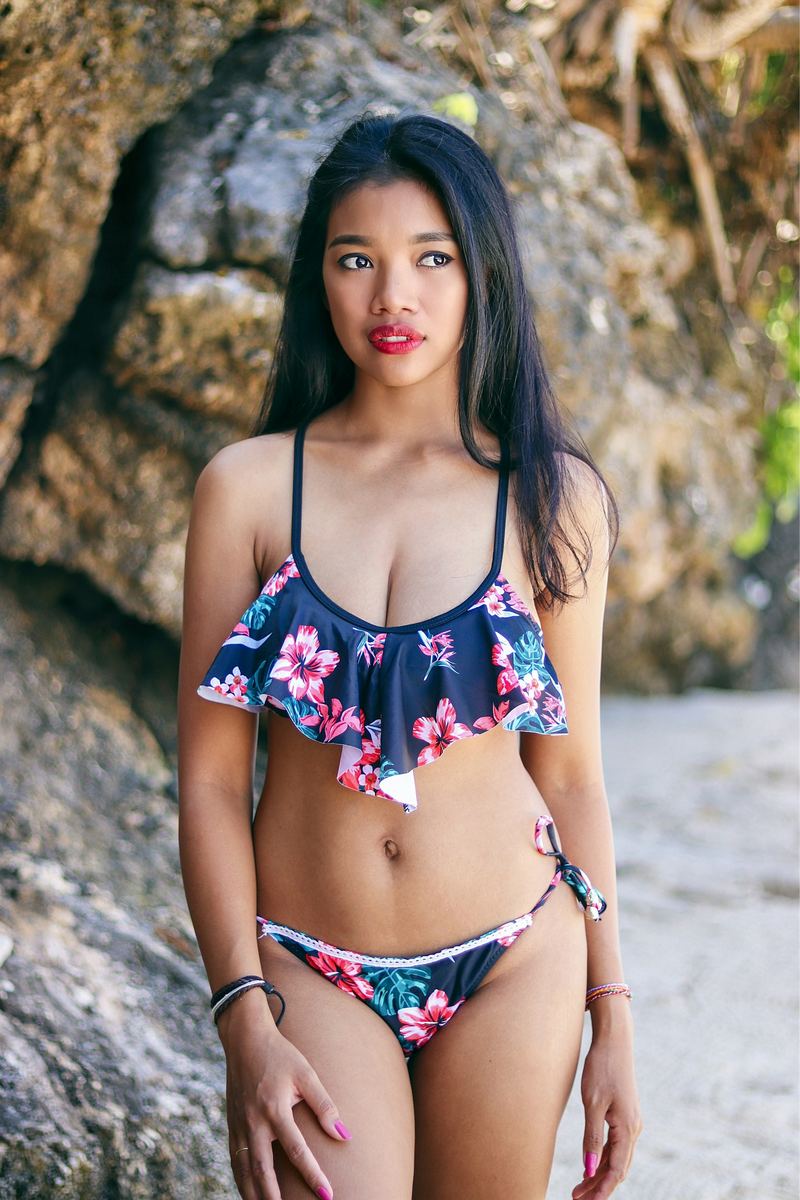
- Triangle tops and bandeaus sit well without gaping.
- Ruffles, frills and textured fabrics add volume if you want it.
- Padded or push-up tops are an option, but make sure the padding is removable so it doesn't hold water.
Choosing bikini bottoms
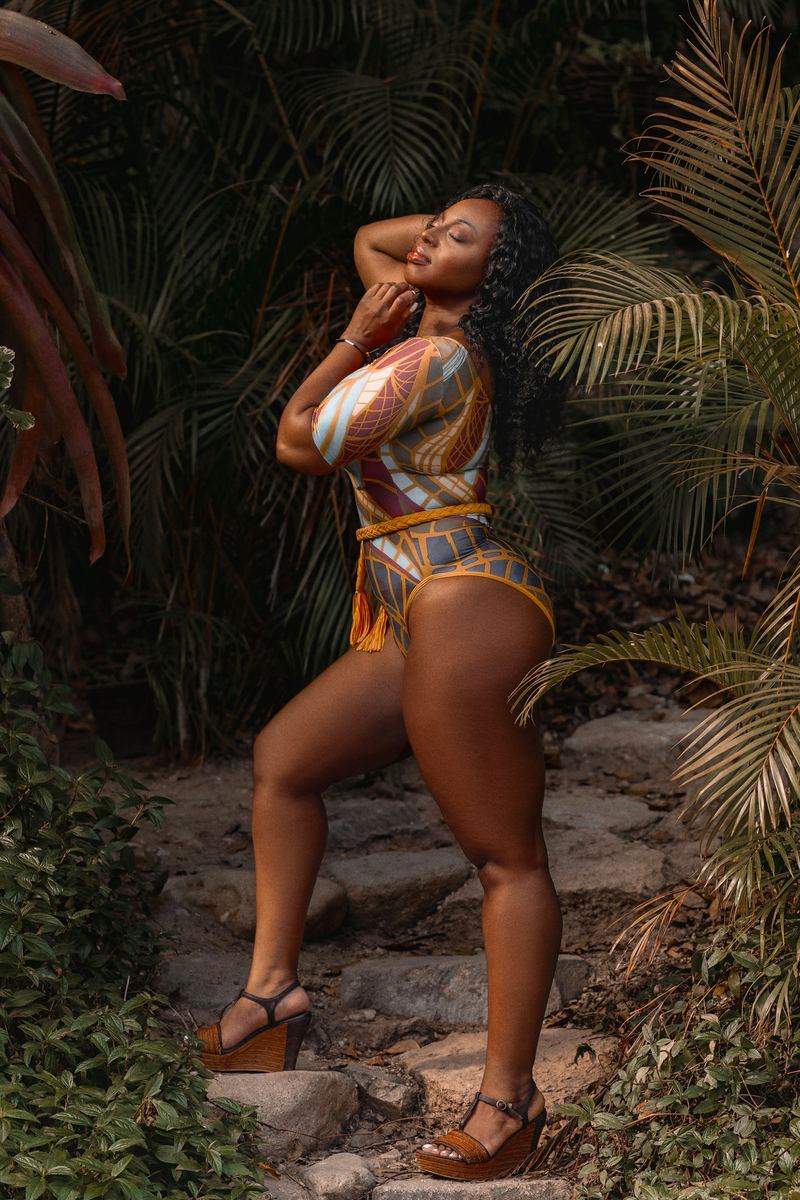
Curvy hips and bottom
- High-waisted bottoms sit smoothly and don't roll down when you sit.
- High-leg (high-cut) sides lengthen the leg line.
- Wider side bands won't dig in the way thin string ties can.
- If you're between sizes, size up. A bottom that digs in when dry will still dig in when wet.
Straight hips
- Side-tie and low-rise bottoms add shape at the hip.
- Ruched or ruffled bottoms create curves if you want them.
Soft tummy
If you'd like more coverage or support around the middle:
- High-waisted bottoms with a firm, wide waistband — look for a double-lined front panel.
- A tankini gives full coverage with the ease of a two-piece (you don't have to take the whole thing off to use the bathroom).
- A swim dress adds a skirt that moves with you.
Match the whole look to the proportion
A simple principle: detail draws the eye. If you want balance between a smaller top half and fuller hips, put the print or the ruffle on the top and keep the bottoms plain. If it's the other way round, flip it.
Petite and tall
- Petite: high-cut legs and vertical detail lengthen the frame. Very high-waisted bottoms can shorten the torso on a short frame — try a mid-rise instead.
- Tall or long torso: two-pieces are simply easier than one-pieces, which often pull at the shoulders. Choose tops with adjustable straps.
Do the movement test
Whatever you choose, do this before you commit: raise your arms over your head, sit down, bend forward, and take a big step. If anything slides, gapes or rides up in the fitting room, it'll do the same in the sea.
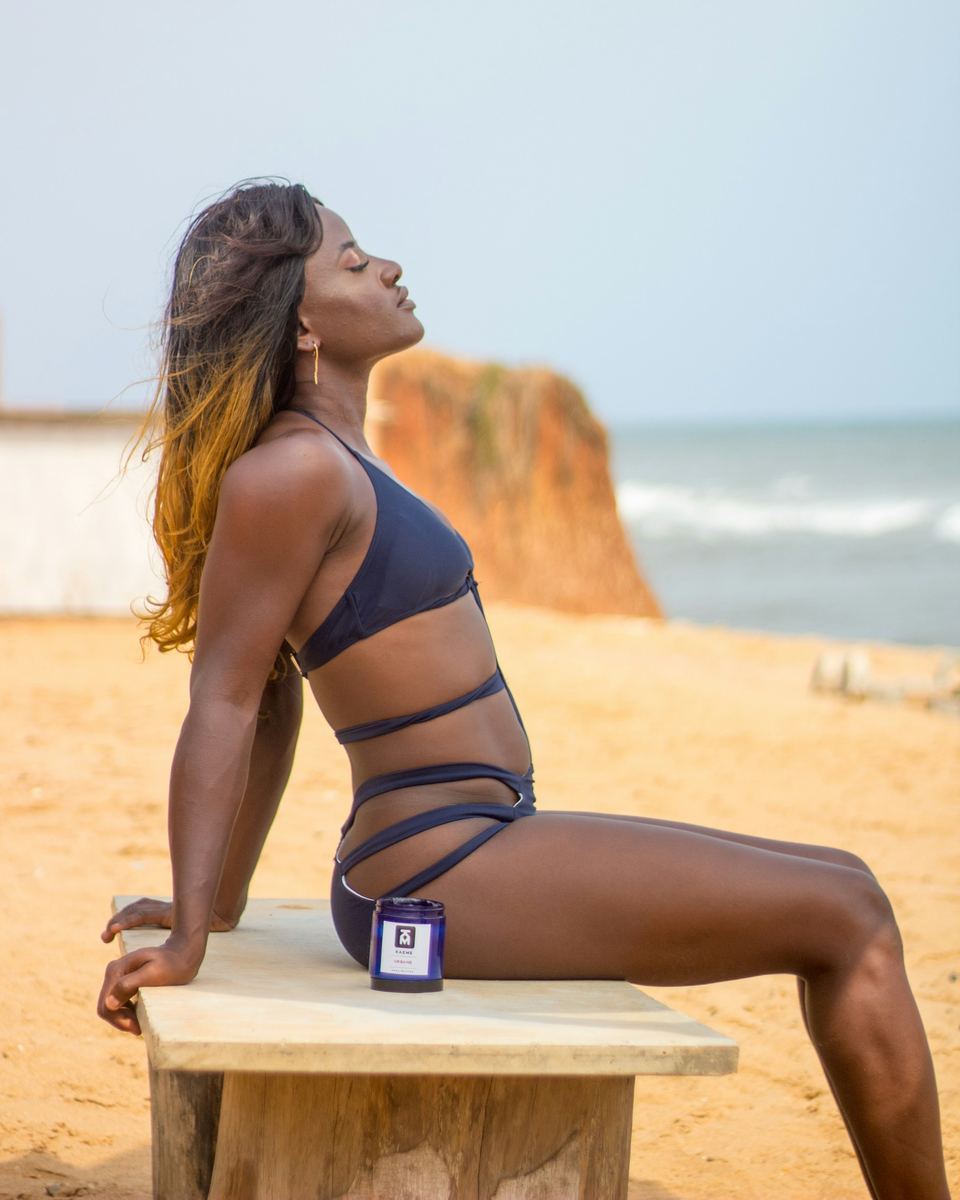
Get help choosing
At our Nairobi shops we split sets across sizes, and on WhatsApp you can send us your four measurements — we'll reply with options that actually fit. Or browse the swimwear collection and filter by category.
Not sure whether you'd prefer a two-piece at all? Read bikini vs one-piece: which is right for you.